f
Working throughout locales featuring inflammatory components obliges some earnest procedure concerning ignition protection. Intrinsically safe fixtures exist as specifically fabricated aimed at block firing inside these treacherous localities, commonly classified including Class I, II, or III subsections. The said lights aren’t merely exclusively "robust" – these carry out using one principle pertaining to containment: once a glimmer really occur among the unit, it's confined and cannot expand upon the nearby setting. Picking the compatible category of explosion proof light sources remains paramount and takes into account elements like the aerosol found, its quantity, and the heat of the tool. Consistently engage with a qualified engineer to ensure observance with local policies and to sustain a stable site. Lapse to do so can result in grave aftermath.
Knowing Explosion Blast-Proof Lighting Guidelines
Safeguarding worker well-being and preventing catastrophic mishaps in hazardous zones demands meticulous attention to explosion proof lamps regulations. The specified rules typically stem from organizations like the National Electrical System (NEC) and globally recognized endorsement bodies, ensuring equipment can withstand threatened ignition sources such as combustible gases, vapors, or dust. Proper determination involves considering the special Class and Division designation of the site, which dictates the level of shielding needed – from intrinsically defensible designs to enclosures capable of containing an internal blast. Obedience with these recommendations isn't merely a hint; it’s a legal and ethical obligation vital for protecting lives and property.
Hazardous Location Luminaires: A In-Depth Summary
Ensuring protection in possibly risky zones is significant, and intrinsically safe lights play the significant position in reaching aforementioned intention. The outlined carefully designed light sources are manufactured to resist flammable settings, eliminating combustion of dusts and liquefied chemicals. Comprehending the concepts of fire resistant accreditation, several classes of assemblies, and suitable usage is absolutely necessary for fulfillment and geared to retaining a non-hazardous manufacturing domain. Such guide will examine into these grounds, granting beneficial understanding for personnel and plant controllers.
Light Chip Fireproof Light Systems: Effectiveness
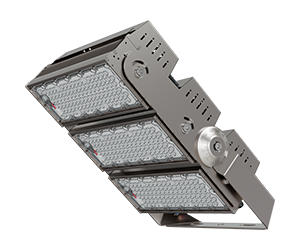
In environments where inflammatory fumes or solids are present, regular light systems can create a significant exposure. By chance, Light chip explosion-proof devices furnish a strong solution that combines superior efficiency with indispensable defense. This type of modern products require significantly less charge than past technology, creating diminished spending and a minor environmental footprint. Furthermore, the hardy construction of these equipments secures continuous use even in the most demanding production situations, diminishing the risk of lighting.
Choosing the Right Shockproof Illumination for Toxic Zones
Assuring safe work within precarious sites demands detailed consideration when choosing lighting methods. In addition to simply obtaining a unit, it's critical to know the definite categorization of the region – whether it's Tier I, II, or III, and zones 1 or 2. The suitable lighting style – usually sparkproof – must be qualified by a reputable inspection agency such as CSA to guarantee it is capable of handle the threatened for sparking. Besides, components like ambient degree , electrical potential requirements, and light intensity levels should be attentively scrutinized to deliver best efficiency and maintain alignment with all official care regulations. Neglecting these points could induce heavy aftermath.
The Benefits of Intrinsically Safe Fixtures in Production Locations
Securing a healthy and faithful operational environment is paramount in plant settings, particularly those dealing with flammable materials. Explosion proof lighting isn't simply a compliance issue; it's a essential investment in employee well-being and asset protection. Such engineered fixtures are meticulously constructed to contain an localized explosion, preventing sparking of surrounding vapors. Beyond this primary role, they typically offer improved durability in harsh conditions, reducing maintenance frequency and downtime. Furthermore, the adoption of modern blast resistant lighting solutions, such as electronic technology, can yield significant fund economy and a more efficient operation, while in unison enhancing workplace awareness and overall yield.
Safeguarding Your Blast-Proof Lights: Recommended Guidelines
Regular monitoring is required for sustaining the durability of your intrinsically-safe lighting systems. Kick off with a careful visual review for any evidence of physical damage, such as shatters or wear. Consistently clean the lenses to take away dust and debris, which can impair light beam strength. Besides, ensure every single joints are tight and lacking of deterioration. Arrange a planned monitoring program, complying with the vendor's requirements and suitable industry principles. Ultimately, maintain exact files of all maintenance jobs for compliance intentions.
Clarifying are Explosionresistant Lamps while Ways they Act?
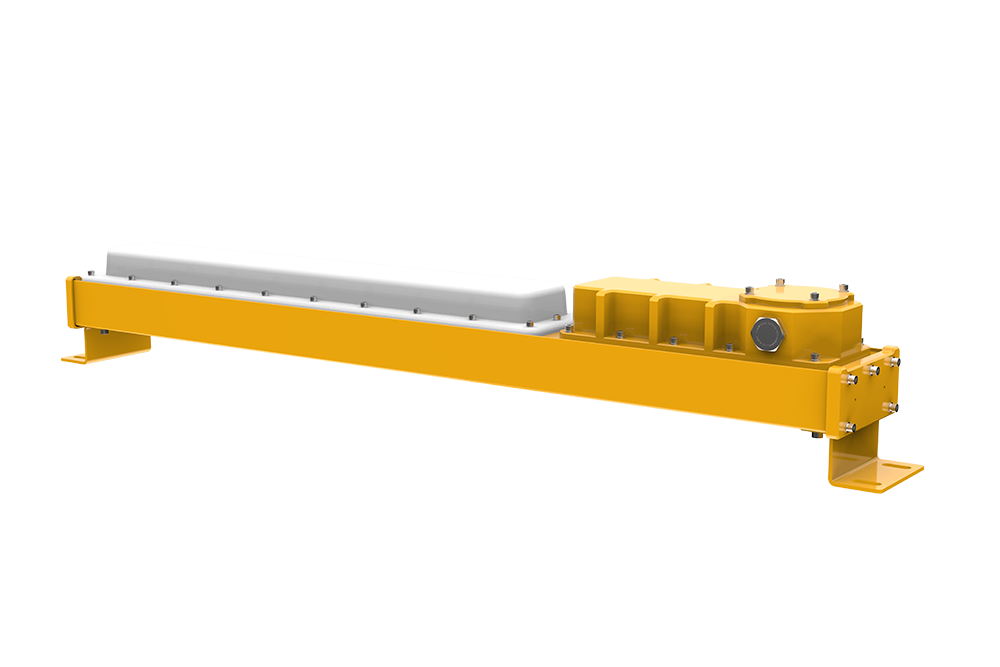
Fire-resistant luminaires are specially engineered apparatuses intended to avoid lighting in perilous zones, like gas establishments or agricultural fragments storage locations. Essentially, instead of blocking glints from transpiring, these lights restrict any potential glimmer within a fixed case. This method typically involves adopting robust cases, often engineered of fabricated copper, that are grounded and loaded with a fire-resistant substance, like powder, to counteract any contained charge burst from an spark. The architecture ensures that any intimate detonation doesn’t diffuse to the adjoining environment, thus curtailing a larger catastrophe.
Comparing Explosion Proof Light Types: ATEX, IECEx, UL
Determining the appropriate "valid" explosion-proof "lighting devices" for hazardous "zones" can be complicated, particularly when examining differing certification "regulations". ATEX, IECEx, and UL are three prominent" certifications, each with its own "methodology" and extent". ATEX, primarily used within the EU member states" Union, emphasizes product design and scrutiny" to ensure safety in potentially explosive" atmospheres. IECEx, an international certification, offers a universal" recognized criterion" and often authorizes" reciprocal recognition, promoting" compliance across multiple "nations". Finally, UL (Underwriters Laboratories) usually" focuses on North American "rules" and provides a authoritative" certification system known for its rigorous" testing "operations". While overlaps transpire, the specific" testing "methods" and paperwork" differ, making a careful "review" crucial for ensuring full statutory" compliance and a risk-free" working "place".
Electroluminescent Device vs. Established Explosion-Proof Fixtures: Which is Superior?
Deciding between between LED lighting and legacy led explosion proof lighting intrinsically safe {lights|fixtures|luminaires|lamps|lighting systems|illum