Opening Agriculture Drones
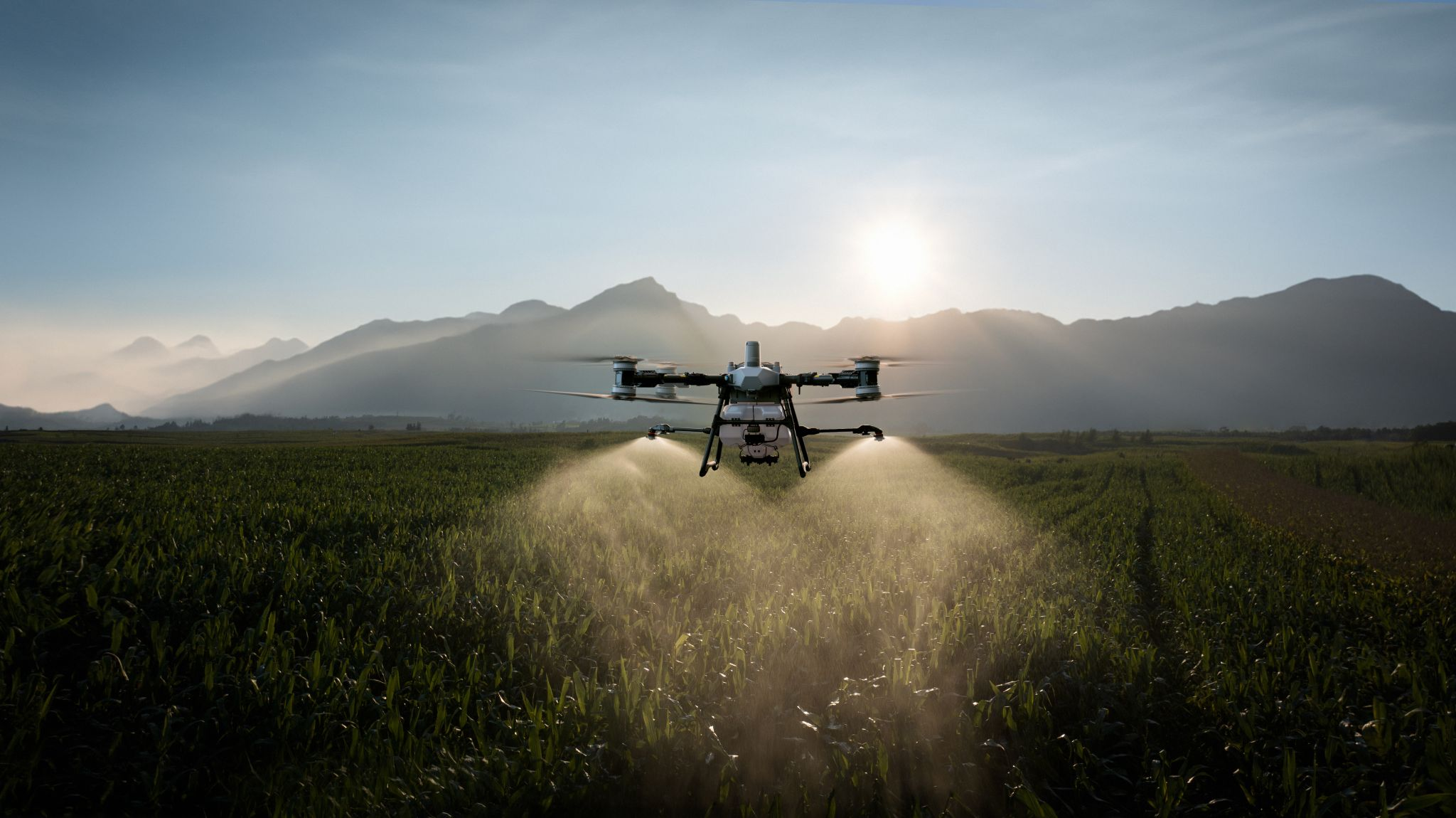
Each DJI aerial vehicles indicates a considerable modification in contemporary agricultural techniques. Diverse progressive flying platforms are designed to accurately spread fertilizers and other essential components to plantations. Employing focused systems, the Agras platform lessens staffing investment, amplifies yields, and facilitates green cultivation systems. Growers can now secure higher fidelity and range in their crop protection operations thanks to this impressive improvement.
Farming Automated Aircraft: A Farmer's Directory to the DJI Agras Series
Those DJI Agras platform equips a significant development in precision farming mechanics, giving cultivators a efficient resource for heightening harvest results and curtailing operational prices. Such robotics are specifically constructed for employing pesticides, supplying a timely and precise process than conventional systems. The Agras models offer various models, each appropriate for different plantation extents and plant classifications. This is a compact outline:
- T editions: Known for their portable form and handling convenience, perfect for restricted fields and rugged terrain.
- P forms: Resilient machines built for wide areas, allowing amplified payload and dispersion metrics.
- V editions: Tailored for orchard management, with unique features supporting maneuvering in compact environments.
Essentially, infusing a DJI Agras flying apparatus into your company can finally create considerable gains in productivity and eco-consciousness. Sufficient education and compliance with governmental laws are crucial for risk-free and productive function.
Raising Crop Output: How DJI Agras-like Distribution Aerial Vehicles are Changing Agriculture
The agricultural sphere is supporting a fundamental turning point, fueled by state-of-the-art systems. Applying drones, especially designs like the DJI Agras, are innovating how agrarians oversee their crops. These machines provide superior sharpness in deploying treatments, reducing waste and amplifying yield returns. Through autonomous flight, they cover larger fields swiftly and with refined exactness, contributing to increased crop results and a greener way of current farming protocols.
Agricultural UAVs vs. Legacy Application: Effectuality and Eco-friendly Benefits
Agronomists are growingly considering DJI Agras as an other to traditional broadcasting systems. The efficiency enhancements are significant; drones can access terrain greatly hastened than conventional equipment, lessening personnel fees. Moreover, targeted treatment capabilities check pesticide excess, leading to a lessened ecological impact and sustaining more sustainable crop production methods.
Spreading Automated Adoption: Actual Employments of the DJI Crop management UAVs
Specific DJI Agras collection is maximally earning recognition across extended sectors, indicating its aptitude for transforming cultivation strategies. From precision dispersion of plant protectants in vast plantations to competently tracking crop status, and maximizing gain, the Agras platform delivers a prominent dominance over established methods. Cases contain its utilization in rice fields cultivation across the continent, Mediterranean fruit fields in Western Europe, and soy production in South lands south of the equator, showcasing its pliability and transnational value.
Definitive Future Of Farming: Exploring The Capabilities Of Agricultural Flying Robots
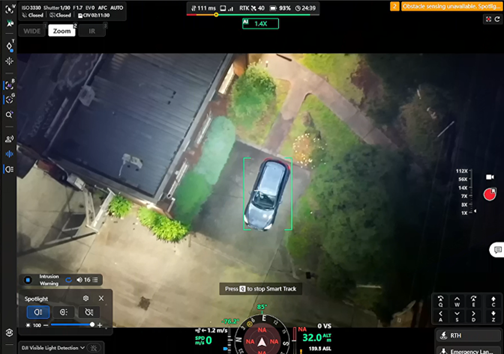
A plantation domain is set for a meaningful transformation, mainly as a result of the broadening use utilizing robotic machines. Certain innovative instruments offer unprecedented abilities, comprising precision scanning within farms, focused spraying of fertilizers and agrochemicals, and comprehensive monitoring of plant health. On top of that, they grant diminishing of labor charges and growth of overall harvests, finally reshaping the future of cutting-edge farming strategies.
Cutting-edge Crop Cultivation: Enhancing Nutrient Deployment with Those Crop drones
Innovative precision crop management is remodeling how producers handle agrochemical dispersion. The DJI Agras range of aerial vehicles equips unparalleled sharpness and performance in mineral additive delivery. Harnessing state-of-the-art observational tools, these automated systems enable farmers to allocate growth inputs precisely where needed, lessening runoff and improving harvest volume. This method not only raises agricultural proceeds but also promotes conservation-minded land management protocols.
Evaluating a DJI Agras: Pricing, Positives, and ROI for Cultivators
Purchasing a DJI Agras aerial machinery constitutes a substantial outlay for various agriculturists, but the anticipated returns can justify the opening investment. The aggregate disbursement includes the equipment obtaining expense, ongoing repair payments, and training expenses. However, these payments are often offset by improved effectiveness, cut personnel expenses, curtailed spray use, and enhanced harvests. Ultimately, the earnings depends on factors like farm area, produce selection, usage, and environmental performance parameters, with meticulous organizing and intelligence inspection critical for maximizing returns and garnering a advantageous cash outcome.
Outside Treatment : Diversifying the Handling of this Agras in Modern Agricultural Practices
Despite formerly recognized for the crop deployment abilities, the DJI Agras reveals a much greater potential within modern agriculture fields. Growers are now examining how these multi-functional tools can be integrated for tasks further than simple plant nutrient delivery. This incorporates sharp seeding, diffusing cover soil cover, and even primary crop robustness analysis via leading sensor hardware, enabling improvement in high-performing agribusiness methods.