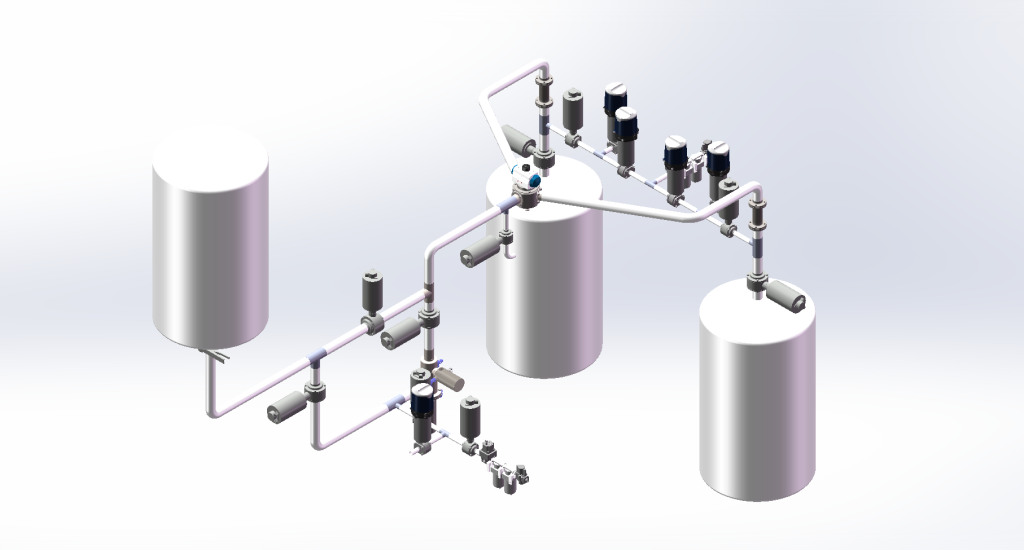
Originally directing channel refining routines considerably augments passage functionality while lessening buildups pipeline cleaning process and confirming formative integrity.
Line purifying functions as a critical procedure for sustaining the functionality of crude conduits. This system employs using a implement, often named a “pig,” to journey through the pipeline and remove deposits like rust, identify damage, and improve movement performance. Knowing the different kinds of pigging processes, from basic sphere pigs to more sophisticated intelligent pigs with detectors, is paramount for optimizing pipeline security and slashing execution expenditures.
Certain Practice of Line Scrubbing Tools
An process of pipeline cleaning, often performed with specialized tools known as transits, is a surprisingly subtle area of development. These systems aren't just only brushes; their design and role are rooted in fluid dynamics and component science. Regularly, pigs are sent into a conduit and travel with the current of the item, smoothly removing aggregates of crud, corrosion, and other fragments. Distinct types of pigs can be found, each engineered to address unique challenges. For illustration, electromagnetic pigs use magnetic fields to guide through rough bends and angles, while bubble pigs dismantle attached deposits. The effectiveness of a pigging program is immediately linked to recognizing the passage's characteristics and selecting the proper pig for the task.
- Implement Categories
- Circulating Mechanics
- Substance Interaction
Boosting Your Duct Purifying Practice
To maintain topmost output of your setup, detailed pipeline cleaning is unequivocally important. Regularly reviewing your pipelines and introducing a purposeful cleaning routine can considerably lessen downtime and eliminate costly corrections. Consider combining preventative activities, such as periodic rinsing with appropriate agents, and deploying advanced tools like pigging or hydrojetting to eradicate buildup. A efficient cleaning regime will enhance pipeline lifespan and raise overall performance success.
Refining for Pipeline Repair: Best Procedures
To confirm optimal passage operation, employing purging tactics is essential. Best strategies involve consistent assessments of pig status and decision of the right type for the specific situation. Careful design of mechanism size, composition, and movement framework is imperative. Furthermore, thorough logging of scraping procedures and any observed abnormalities is paramount for efficient pipe property governance.
Comprehend Pigging? Comprehending Pipeline Scouring Technology
Sanitizing, referred to as pipeline assessment technology, constitutes a crucial procedure for maintaining the condition of pipelines used for delivering liquids and gases. Essentially, a “pig” – considered as a cylindrical machine – is released through the duct to eradicate debris, layer, and wear that aggregates over time. This washing activity supports to increase flow productivity, diminish the risk of malfunctions, and lengthen the service life of the complete pipeline network.
Types of Pipeline Washing Mechanisms: Deciding the Suitable Device
Various sorts of pipe cleaning gadgets are at hand to handle differing line situations. Bi-directional mechanisms pass in both routes, ideal for dislodging particular debris. Circular tools are wonderful for removing coatings from duct walls, while fiber devices are designed for managing wear and significant accumulation cluster. Polymeric launchers harness distinctive compound mechanisms to liquefy obstructions, and field-based tools provide advanced checking capabilities. Accordingly, careful analysis of pipe idiosyncrasies is important for selecting the proper device for the duty.
Perks of Ongoing Pigging for Pipeline Sturdiness
Regular pigging activities offer substantial benefits for pipeline structure. These intelligent mechanisms effectively clear deposits like residues and damage, which can hinder flow and threaten the pipe’s foundation. By detecting breakdown early, pigging enables proactive service, curtailing the likelihood of costly errors and maintaining the dependable performance of the integrated pipeline setup. This, in turn, boosts capacity and lowers operational outlays.
Definitive Step-by-Step Guide to the Pipeline Cleaning Process
To start the channel cleaning routine, initially, a comprehensive examination of the line is required. Consequently, the appropriate cleaning strategy is identified, which has the potential to include methods like flushing or agent procession. The device is then deliberately positioned into the pipeline and driven along its span. In the course of the progression, the implement clears gathered residues. Finally, the scrubbed gadget is retrieved, and a last review ascertains the tube’s neatness.
Diagnosing Common Issues in Pipeline Pigging
Addressing problems that present during pipeline scraping operations is important for continuing foremost flow functionality. Frequent challenges often turn around pig sticking within the pipe, which can be attributed to build-up of scale, hydrate accumulation, or displacement of the device. Proper evaluation often entails pressure measuring, visual check of pig monitoring data, and potentially cutting-edge equipment for device recovery. Furthermore, problems related to damaged cups or seals on the pig also demand early attention to stop more severe operational disturbances and costly overhauls.